
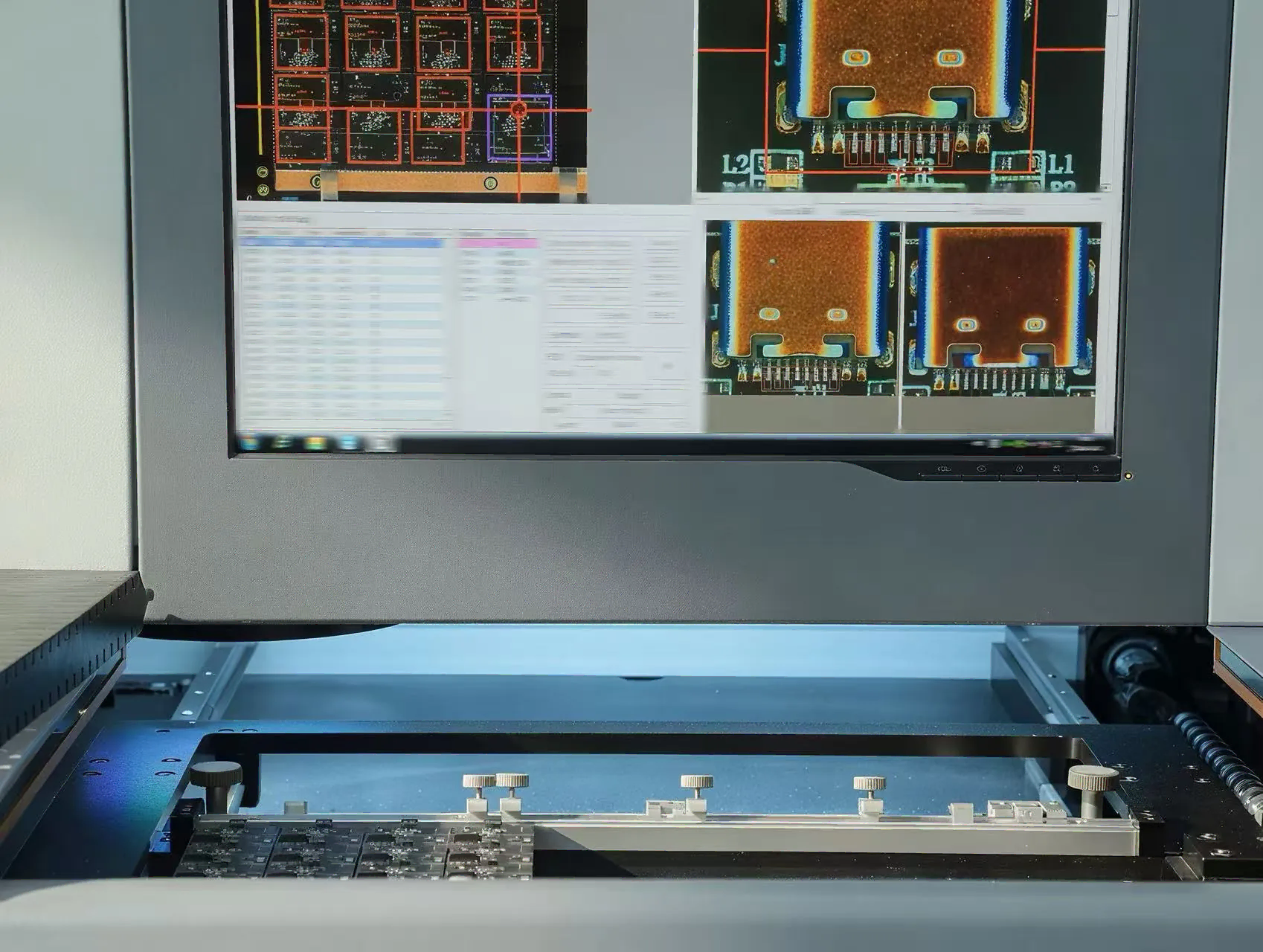
A hardware product does not become production-ready because the industrial design looks complete or the electronics work in isolation. The real test begins when mechanical structure, PCB layout, firmware behavior, materials, assembly sequence, and manufacturing constraints have to work together.
For complex connected hardware, many risks appear at the boundary between disciplines. A housing that looks refined in CAD may create tolerance challenges. A PCB that works on the bench may become difficult to assemble inside a compact enclosure. A wireless module may perform differently once antenna clearance, shielding, battery placement, and enclosure material are introduced.
This is why BaysonTech treats electro-mechanical integration as an early product architecture discipline, not a late-stage correction process.
The Risk of Designing in Silos
Industrial design, mechanical engineering, electronics, firmware, and manufacturing preparation each have their own requirements. When these tracks are developed separately, problems often appear later during prototyping, tooling review, assembly testing, or production-readiness planning.
A product may look visually complete while still carrying unresolved risks: unclear parting lines, limited PCB clearance, weak fastening logic, unstable sensor placement, difficult cable routing, antenna interference, poor service access, or assembly steps that are difficult to repeat.
Early electro-mechanical integration helps the team identify these conflicts while the product architecture is still flexible.
Connecting Mechanical Structure With Electronics
The enclosure is not only a visual shell. It defines how electronics are positioned, how forces are transferred, how connectors are accessed, how heat is managed, how the product is assembled, and how internal components are protected.
For connected hardware programs, BaysonTech reviews mechanical structure and electronics layout together. This can include PCB position, screw boss placement, antenna zones, battery layout, button travel, sensor alignment, gasket paths, connector access, and tolerance assumptions.
The goal is to reduce avoidable risk before tooling, validation, and manufacturing execution become more difficult to adjust.
DFM Starts Before Tooling
Design for Manufacturing should begin before a production mold is committed. Draft angles, wall thickness, ribs, snaps, undercuts, assembly sequence, material behavior, surface finish, and inspection requirements all influence production readiness.
If these details are reviewed too late, the product may require structural changes, tooling adjustments, additional prototypes, or delayed validation work.
BaysonTech supports selected hardware programs by connecting DFM review with product direction, industrial design, mechanical structure, electronics requirements, validation planning, and manufacturing-readiness preparation.
Prototype Validation and Tolerance Review
A prototype is useful only when it helps the team test real product assumptions. Fit, finish, button feel, enclosure alignment, sensor placement, PCB clearance, cable routing, gasket compression, and assembly sequence should be reviewed before the project moves deeper into production preparation.
Tolerance review is especially important for compact connected hardware. Small dimensional changes across plastic parts, PCB assemblies, buttons, batteries, and fastening points can affect how the product feels, performs, and assembles.
Early validation does not remove every production risk. But it helps reveal structural, electrical, and assembly concerns while changes are still easier to make.
Reducing Manufacturing Risk Through Integration
Electro-mechanical integration helps hardware teams move from isolated design decisions to a more complete production-readiness view. It connects how the product looks, how it works, how it is assembled, and how it can be manufactured consistently.
For BaysonTech, this work reflects a broader principle: responsible hardware development requires product ownership, engineering reality, and manufacturing preparation to be aligned from the beginning.
Selected execution work may involve contracted engineering specialists, manufacturing partners, testing resources, or project-specific suppliers working under defined ownership, NDA, licensing, and IP assignment terms.
Key Takeaway
Early electro-mechanical integration reduces avoidable manufacturing risk by connecting industrial design, mechanical structure, electronics layout, firmware assumptions, DFM review, prototype validation, and production-readiness planning.
When these decisions are reviewed together, hardware programs are better prepared for tooling, validation, assembly, quality planning, and selected manufacturing execution.